
From the Angkor Temples to the white sand beaches in the south, Cambodia has no shortage of natural beauty and historical wonders to explore. Here are the top things to see and do in Cambodia.

Angkor & Siem Reap
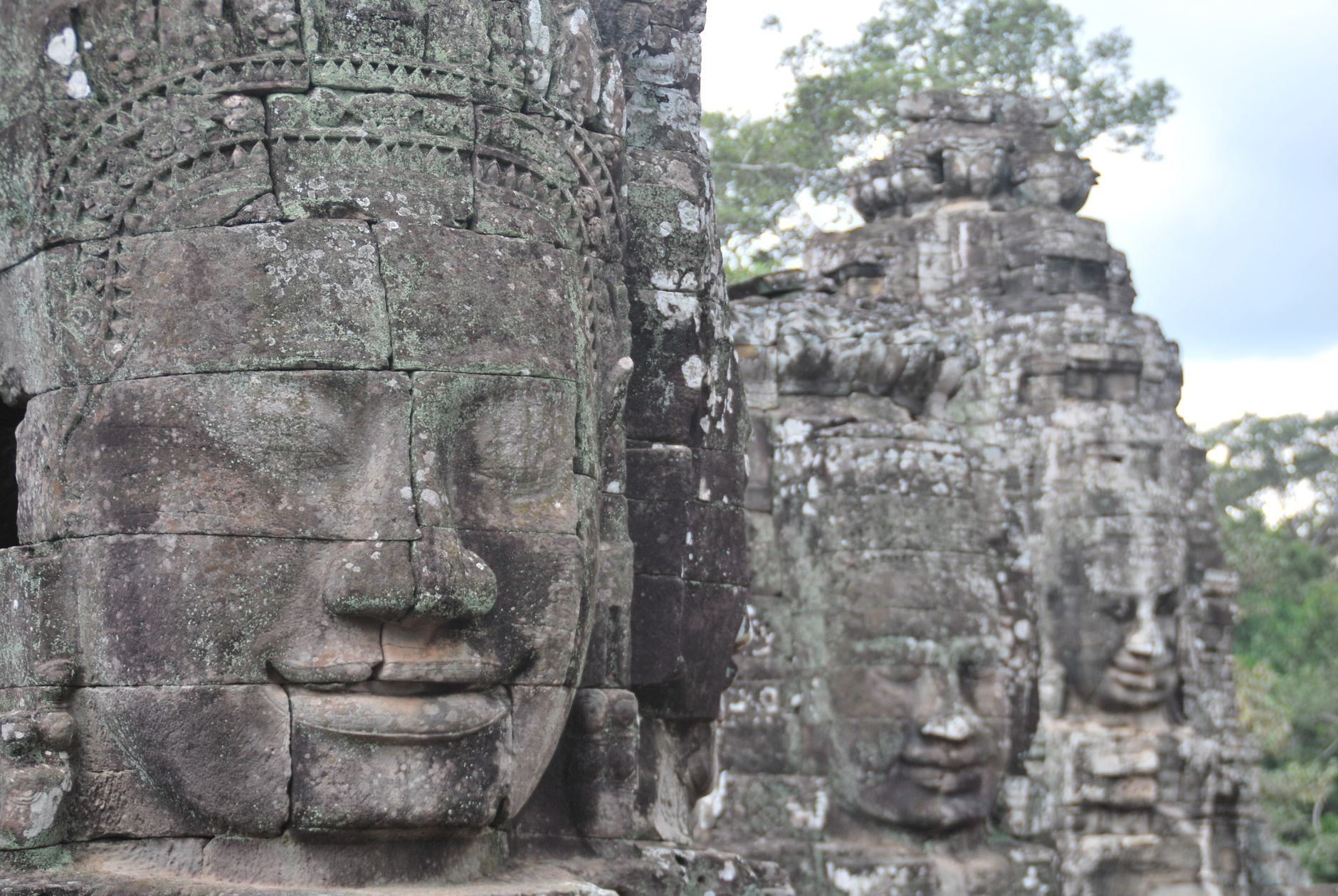
Hidden inside a sprawling jungle, Angkor Archaeological Park is not only one of the top sites to visit in Cambodia, but also one of the most impressive archaeological sites in the world. Once the centre of the Khmer Kingdom, this empire covered much of South East Asia from the 9th to 15th centuries with Angkor as its centre. What remains are ruins of temples, ancient reservoirs and roads. Best known for Angkor Wat, the world’s largest religious structure, the park also includes other major sites such as Bayon and Ta Prohm.
Phnom Penh
Cambodia’s capital offers a mix of historic landmarks, museums and lively riverside districts along the Mekong and Tonlé Sap rivers. Key sites include the Royal Palace and Silver Pagoda, known for their ornate Khmer architecture. The National Museum houses one of the country’s most important collections of Angkorian sculpture. To learn about Cambodia’s recent past, visit the Tuol Sleng Genocide Museum and the Killing Fields of Choeung Ek. The riverside promenade, Central Market and the Russian Market provide places to explore local food, shopping and everyday life.
Kompot & Kep
Set along a slow-moving river and backed by limestone hills, both Kampot and Kep are known for their quieter pace and scenic surroundings. In Kampot, explore local pepper farms, the Old Town and kayak along the river. Kep offers coastal walks in the national park, boat trips to nearby islands and seafood lunches at the crab market.
Koh Rong
Soft sand, clear water and a relaxed beach scene make this tropical island one of Cambodia’s most visited coastal retreats. Koh Rong is known for some of Cambodia’s longest beaches, turquoise water and a laid-back atmosphere. Spend time swimming, paddleboarding or taking boat excursions to snorkel around offshore reefs, while jungle trails lead to waterfalls and viewpoints in the island’s interior. Beachfront bars and restaurants provide simple seafood dinners and sunset views. After dark, bioluminescent plankton light up the sea.
Mondulkiri
Rolling hills, forested valleys and cooler temperatures distinguish this northeastern Cambodian province from the country’s lowland plains. The region is best known for its waterfalls, including the wide cascades of Bou Sra, as well as wildlife sanctuaries that protect elephants and other native species. Visitors can join guided treks through forest and grassland, spend time at ethical elephant sanctuaries and learn about the traditions of the indigenous Bunong communities who live in the area.
Battambang
French colonial architecture, riverside scenery and a growing arts scene make Battambang a worthwhile stop in northwestern Cambodia. This lesser-visited city has a slower pace than the country’s larger urban centres, but it has plenty to offer. Explore the historic centre on foot or by bike to take in the city’s heritage buildings, art galleries and cafés. Head out to nearby villages and rice fields to see why Battambang is known as the “rice bowl of Cambodia”. Recently, Battambang’s food scene has started to gain more recognition, not least with its classification as a UNESCO City of Gastronomy.
Further afield, the bamboo train runs a special service along old tracks for tourists to see how this inventive cart was used to transport both goods and people as the country got back on its feet after the Khmer Rouge. The killing caves of Phnom Sampeau are a sobering memorial to the people who lost their lives during the Khmer Rouge regime and an historically significant site to Battambang.

