
India’s climate is as diverse as its landscapes, from Himalayan chills to tropical warmth, so timing your visit depends on where you’re headed. Each region has its own seasonal rhythm, making it worth planning to catch the sun, the festivals, or the calm of the backwaters at their best.
The North Himalayas
Dharamshala, McLeod Ganj, Rishikesh, Darjeeling
Spring brings blooming valleys to the North Himalayas, while autumn offers crisp air and vibrant festivals. Winter is bitterly cold, and the summer monsoon can make travel tricky with heavy rains and landslides.
North & Central Plains
Delhi, The Taj Mahal and Agra, Jaipur, Varanasi
Winters are dry and comfortable across the Northern and Central Plains. While summers are hot and humid, the monsoon can bring heavy rains and travel delays.
Western Desert & Semi-Arid Belt
Jodhpur, Western Rajasthan
For comfortable travel, winter is the ideal time to explore the Western Desert and Semi-Arid Belt. Spring and summer bring scorching heat and humid monsoon days.
South Peninsula
Kerala, Tamil Nadu, Goa
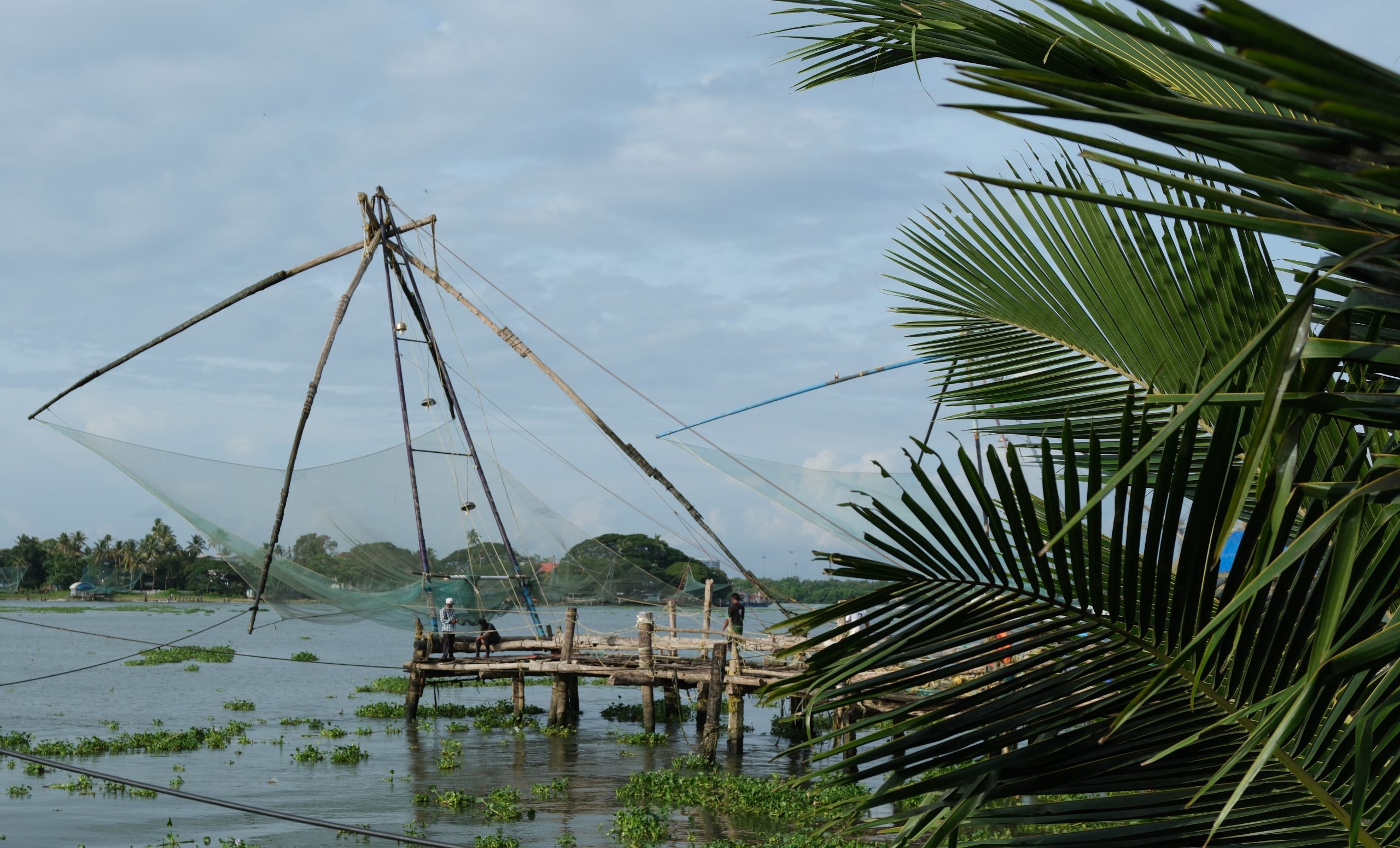
Southern India’s ideal months are from October to March for dry, comfortable days. Summer scorches from April to June, and monsoon drenches from July to September, though in Tamil Nadu the monsoon starts later in October. The shoulder seasons, like November and April, provide a perfect balance with fewer tourists.


